
How to Prepare Your Toddler for Successful Potty Training
Updated: May 16, 2025
Potty training is an important milestone for toddlers and their parents. It signifies a step towards independence and helps build confidence. However, it can also be a challenge. Preparation is key. By taking the right steps, you can make the process smoother, less stressful, and successful. In this blog post, we will explore practical strategies, tips, and common questions surrounding potty training to help you navigate this journey with ease.
Understanding Potty Training
Potty training refers to the process of teaching your child to use a toilet for urination and defecation. Recognising when a child is ready to begin is essential. Most children show signs of readiness between 18 months and 3 years. These signs may include staying dry for longer periods, showing interest in adult bathroom habits, or expressing discomfort in dirty or wet nappies.

When you decide to start potty training, remember that patience and consistency are essential. Every child is different; some may pick it up quickly, while others may take a bit longer. The key is to go at a pace that suits your child. Ensuring that your toddler feels secure and comfortable in the process helps pave the way for success.
Preparing Your Toddler for Potty Training
Preparation is crucial in the potty training journey. Start by introducing the concept to your toddler. Talk about potty training using fun, engaging language. Use children's books about potty training to make the subject approachable. Titles like "Everyone Poops" or "Potty" by Leslie Patricelli can be entertaining and educational for your little one.
Here are some other ways to prepare your toddler for successful potty training:
Choose the Right Equipment: Invest in a child-friendly potty chair or seat. Let your toddler help pick it out to increase excitement. It's essential to choose something comfortable and appealing.
Establish a Routine: Create a potty schedule that includes regular bathroom visits. After meals, before bed, and during playtime are great times to introduce the potty.
Encourage Self-Dressing: Teaching your toddler to undress themselves can facilitate smoother transitions to the potty. Practice making it easy by using pants without complicated buttons or zips.
Celebrate Success: Celebrate every achievement, whether it’s using the potty for the first time or even just sitting on it. Positive reinforcement can motivate your toddler to continue progressing.

What to Expect During Potty Training
During potty training, be prepared for a variety of experiences. Some children may express enthusiasm, while others might show reluctance or fear. Here are some common scenarios you might encounter:
Accidents Happen: Expect accidents as part of the learning process. It’s important to stay calm and not punish your child. Instead, encourage them and reassure them that it's part of learning.
Fear/ Anxiety: Many children suffer from fears around using the potty, more often than not this can be after, or during constipation. It is important that the constipation is resolved before any expectation of using the potty and then the emotional support is provided to manage any worries or anxiety they may have.
Regression: Sometimes, regression occurs after initial success. Changes in routine, like moving homes or starting preschool, can trigger a setback. Remain supportive and remind your child that the skills are still there.
What Kind of Therapist Helps with Potty Training?
If you find yourself struggling despite your best efforts, consider consulting a professional. A potty training consultant can provide guidance tailored to your child's specific needs. We can offer personalised strategies, assess any underlying issues, and help with creating a custom plan to achieve successful potty training. This can be particularly beneficial if your child is struggling with fears or anxiety around toileting.
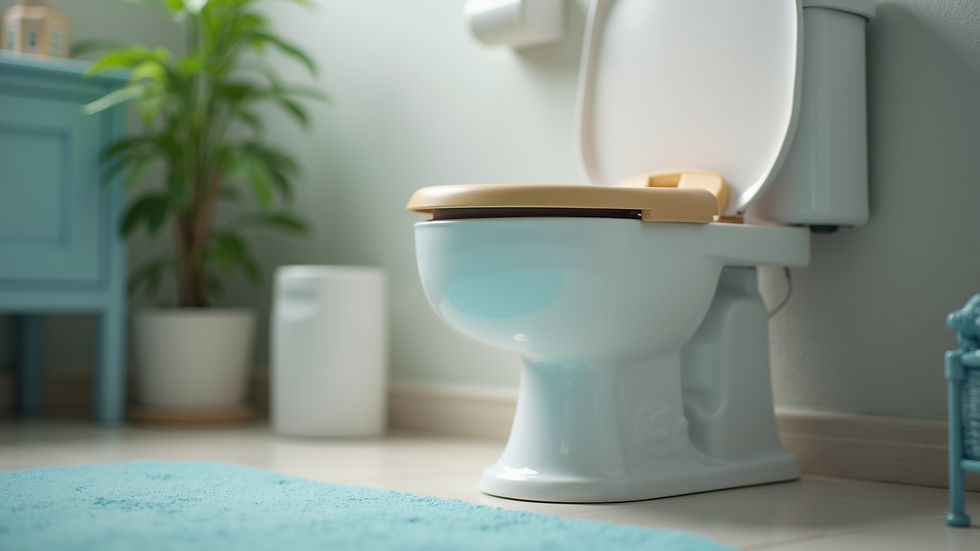
If you feel overwhelmed, seeking advice from a potty training consultant can ease the path to success. Tools, techniques, and a fresh perspective can make all the difference during this transition.
Tips for Parents During the Potty Training Journey
As a parent, staying positive and motivated is crucial. Here are some tips to keep in mind:
Be Patient: Every child learns at their own pace. If it seems like progress is slow, remember that patience is vital. Rushing the process can lead to anxiety for both you and your child.
Stay Consistent: Consistency is key. Keep the same words and positive associations with the potty can help your child feel secure.
Model Behavior: Children often learn by observing. If comfortable, let your child see you or a sibling using the toilet. It can demystify the process and create familiarity.
Provide Comfort: If your child shows fear or reluctance, take a step back. Comforting them and allowing them to come to it at their own pace can help build confidence.
Final Thoughts on Successful Potty Training
Potty training is a unique journey for every family. By preparing your toddler and adopting a positive approach, you can make this transition smoother and more enjoyable. Establishing routines and providing encouragement can significantly impact your child’s confidence. Remember, it’s all about progress, not perfection.
If you are looking for more support, as a potty training consultant, I can provide additional insight and strategies. Embrace this time as a chance to bond with your child as they take this important step towards independence. Remember, every journey is different, and success comes with patience, practice, and a little creativity. Happy potty training!

Comments